
Building Materials
SPC Flooring
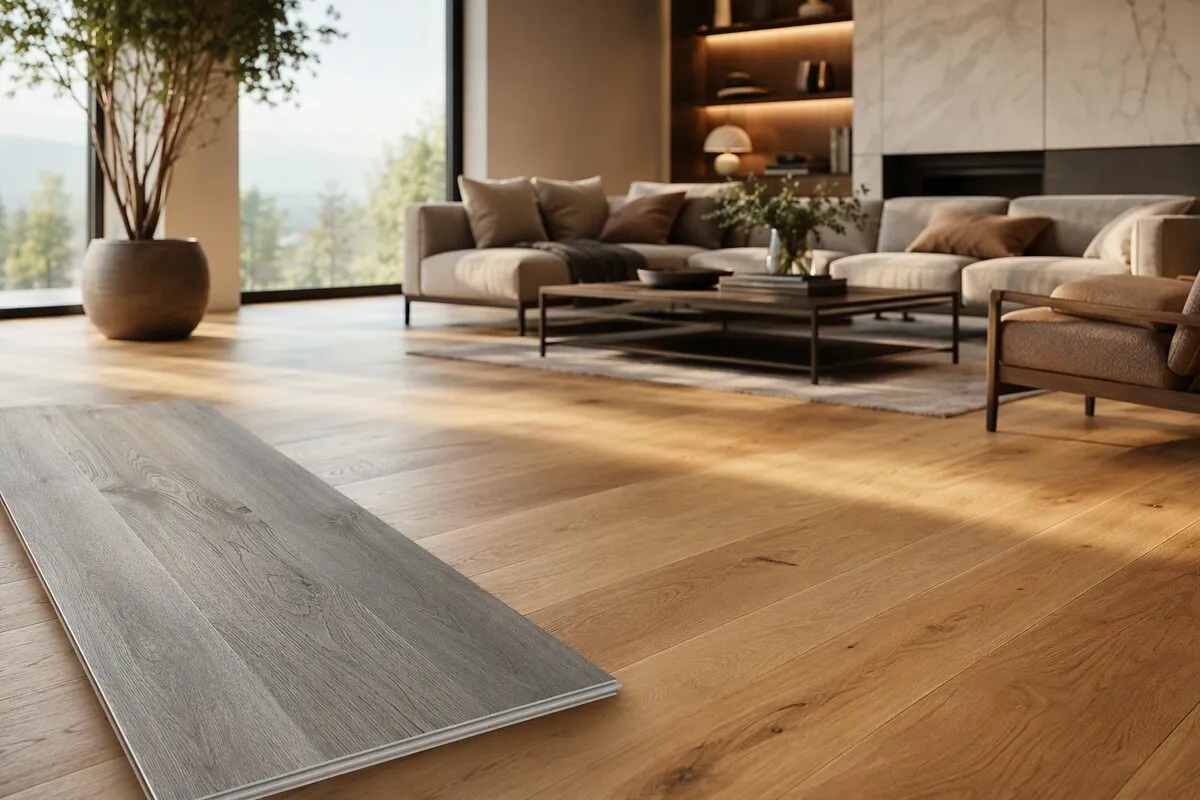
Stone Plastic Composite (SPC) flooring combines the resilience of stone with the versatility of vinyl: a rigid, 100% waterproof core that installs with a simple click-lock system. OCALWA supplies SPC flooring at container scale, direct from verified factories, for importers, distributors and projects.
What is SPC flooring?
SPC is a type of rigid vinyl flooring built around a dense core of limestone and stabilizers. That stone core is what makes it dimensionally stable, hard-wearing and, above all, 100% waterproof, so it can go in kitchens, bathrooms and basements where ordinary wood cannot.
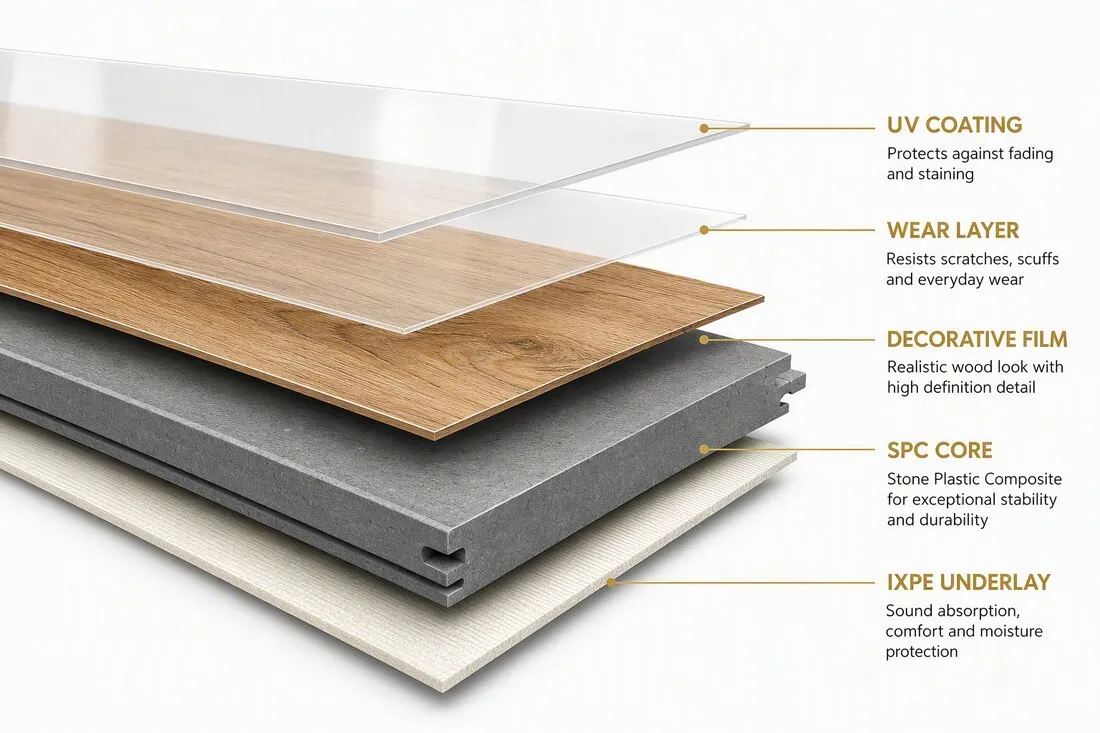
It delivers the look of hardwood, stone or tile without the maintenance, which is why it has become one of the most popular choices for both homes and commercial spaces. A multi-layer build of UV coating, wear layer, decor film, rigid core and an acoustic backing gives it its durability and comfort.
Product details
Specifications
| Thickness range | 3.2 mm - 6.5 mm |
|---|---|
| Wear layer | 0.2 mm - 0.7 mm |
| Size | W 150/178/180/182/225 mm · L 1220/1235/1532 mm (custom available) |
| Underlayment | IXPE / EVA / Cork |
| Surface | Wood grain · Stone grain · EIR |
| Material | 100% virgin |
| Installation | Click-lock (angle-angle / drop-lock) |
| Edges | Micro bevel · painted bevel |
Technical data sheet
| Item | Test method | Requirement |
|---|---|---|
| Overall thickness | EN 13329 / ISO 24340 | As customer request (± 0.05 mm) |
| Width | EN 13329 / ISO 24341 | As customer request (± 0.1 mm) |
| Length | EN 13329 / ISO 24341 | As customer request (± 0.5 mm) |
| Embossment depth | EN 13329 / ISO 24341 | U = 0.13 ± 0.03 mm · Stone/E = 0.12 ± 0.03 mm · EIR = 0.3 ± 0.03 mm |
| Shrinking (80°C · 6h) | ISO 23999 | ΔL ≤ 0.15% · ΔW ≤ 0.15% · Curling ≤ 1.0 mm |
| Expansion (45°C · 6h) | ISO 23999 | ΔL ≤ 0.10% · ΔW ≤ 0.10% · Curling ≤ 0.2 mm |
| Gloss level | EN 16094 · MSR-A1-2 | 5.5 - 7.5 |
| Click tension force | ISO 16906 | Long & short side ≥ 110 N/50 mm |
| Castor chair tester | EN 14041 | ≥ 7000 rounds |
| Scratch tester | ISO 1518 / EN 16094 | 160 round/min · MRS B1/B2 |
| Surface scratch | ISO 1518 / EN 16094 | Weight ≥ 2200 g |
| Peeling strength | EN 431 | ≥ 60 N/50 mm |
| Bending strength | EN 310 | Average ≥ 18.0 MPa |
| Elasticity modulus | EN 310 | ≥ 3500 MPa · ≤ 8000 MPa |
| Backing peeling | EN 431 / ISO 16906 | ≥ 4.5 - 5 N/50 mm |
Colours & designs
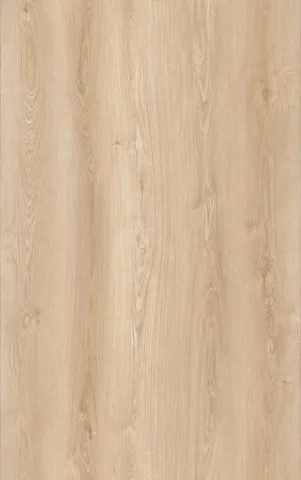
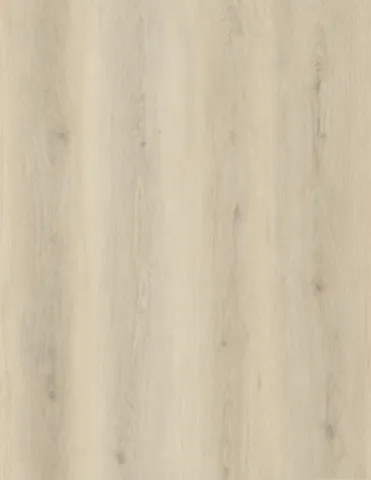
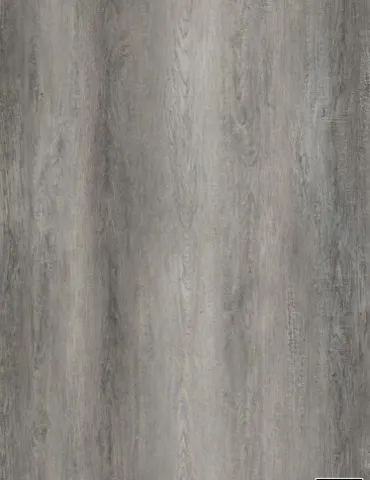
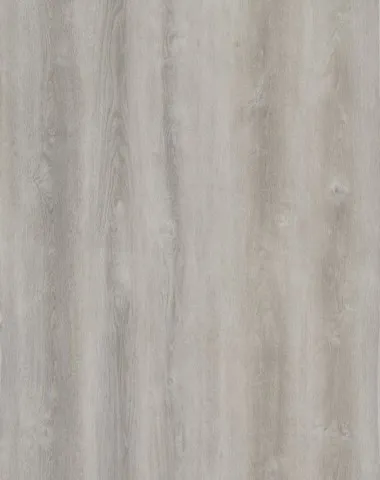
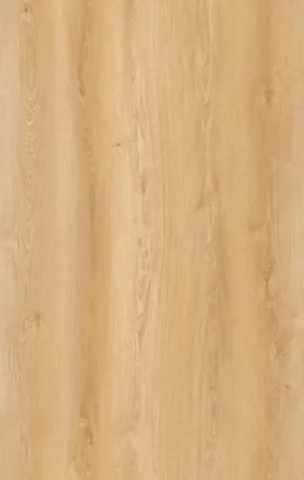
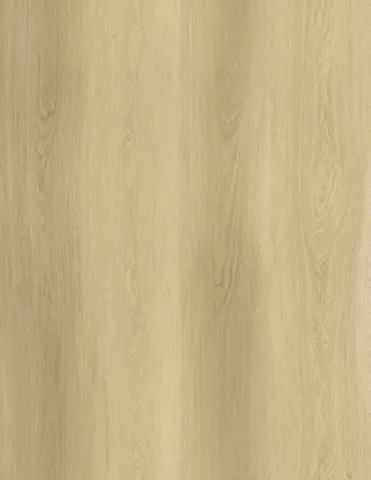
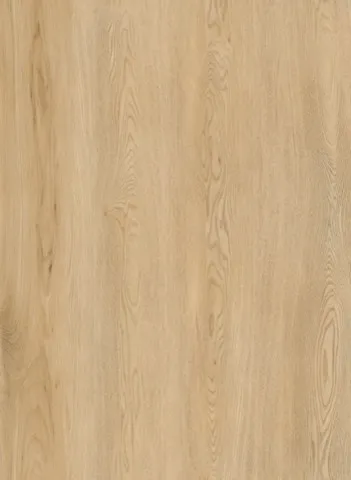
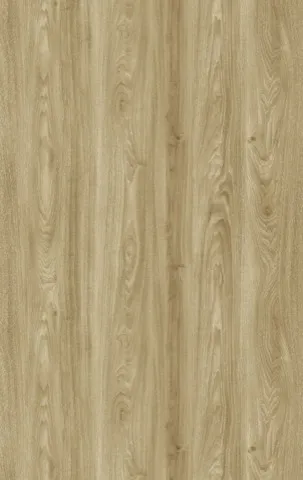
Available in 7 tone families and hundreds of colours, in wood, stone and tile looks. (287)
Beige (81)

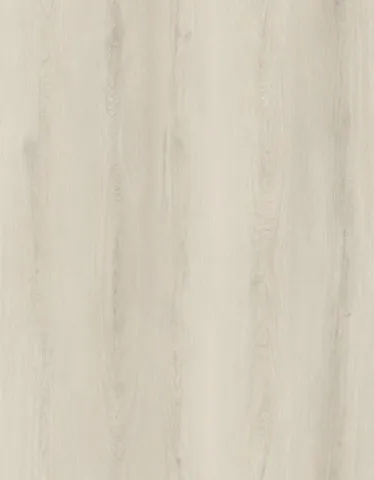


Cool Grey (74)



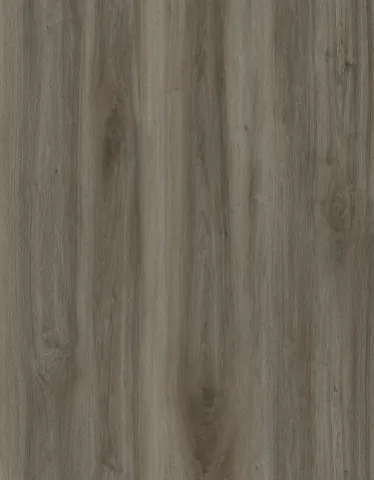
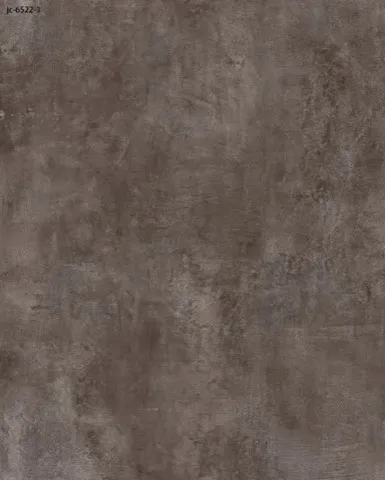
Dark Wood (21)
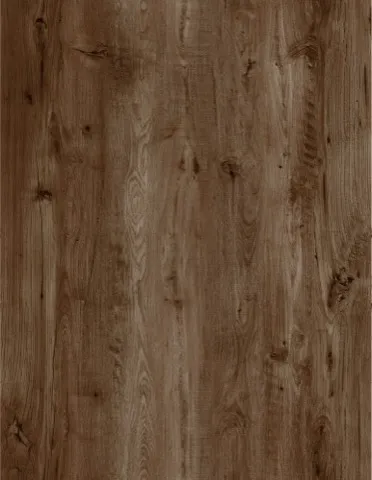
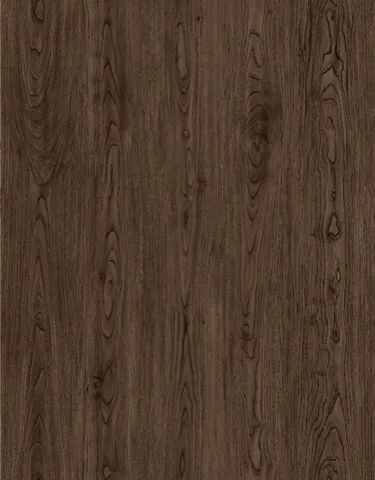

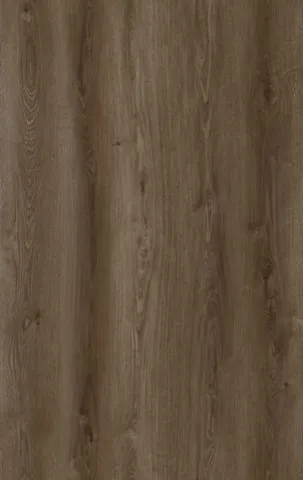
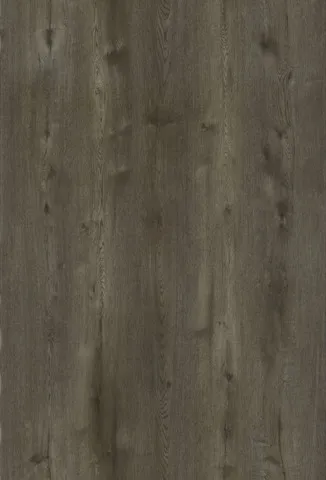

Medium Brown (49)
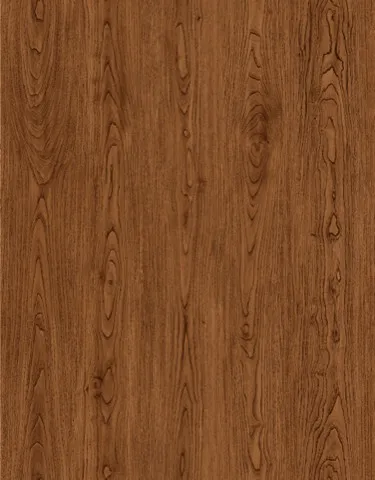
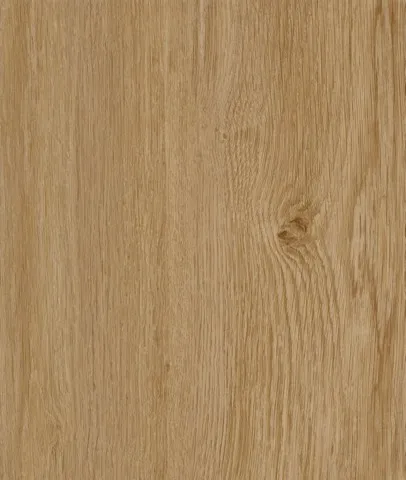
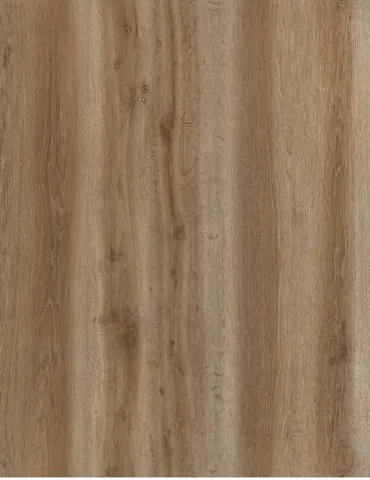
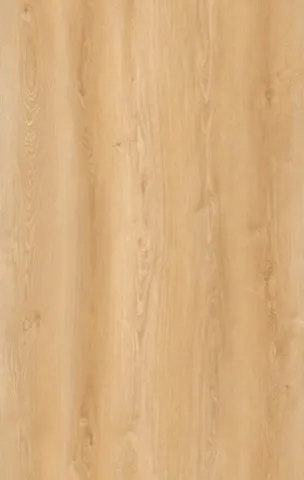
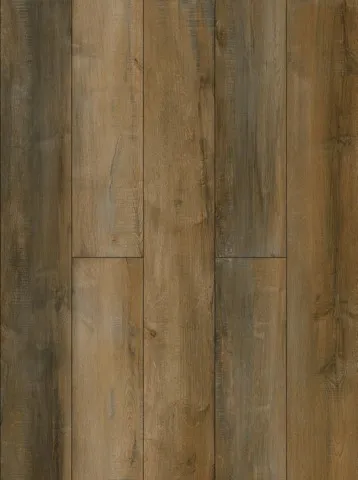
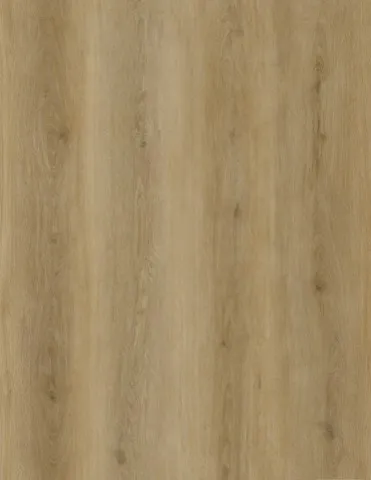
Raw Wood (30)
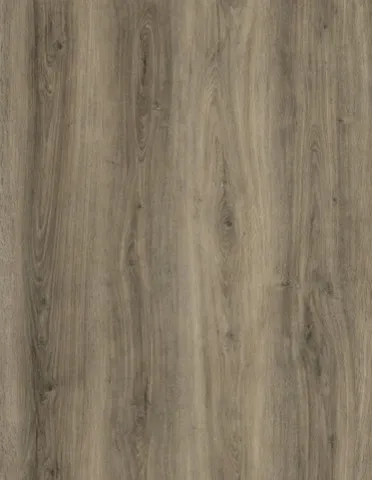
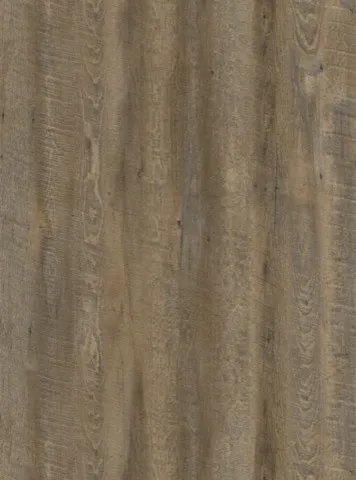
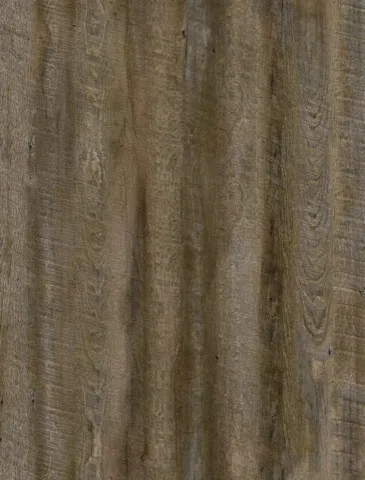

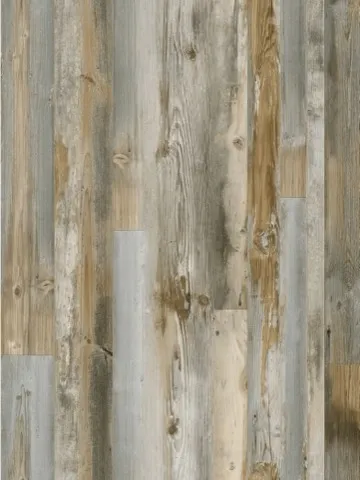
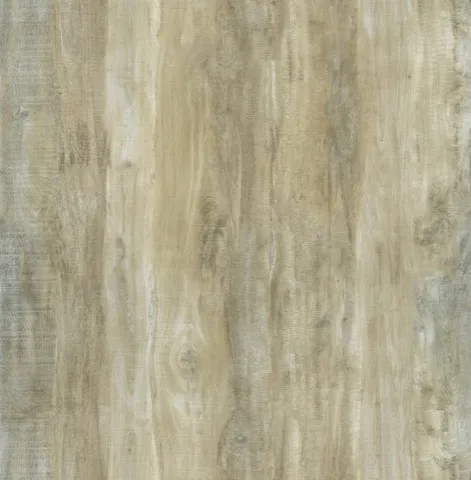
Scandinavian (20)


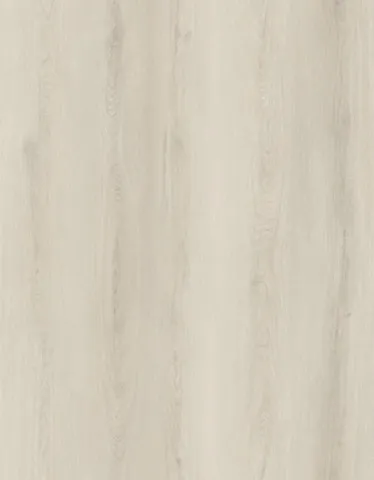


Yellow Oak (12)


Why choose SPC flooring
Superior durability
A rigid core of limestone and stabilizers stands up to high foot traffic, heavy furniture and everyday wear, keeping its shape for years.
100% waterproof
The stone core does not swell or warp with moisture, so it performs in kitchens, bathrooms, basements and humid climates.
Click-lock installation
A precision locking system means fast, glue-free, dust-free installation · a tight, seamless fit for professionals and DIY alike.
Wide range of designs
Seven tone families and hundreds of colours replicate wood, stone and tile · a finish for every residential or commercial space.
Comfort & sound insulation
An attached underlayment adds cushioning and reduces noise underfoot · ideal for homes, offices and hospitality.
Eco-friendly & recyclable
Made from low-VOC, recyclable materials under responsible manufacturing · a healthier choice for the space and the planet.
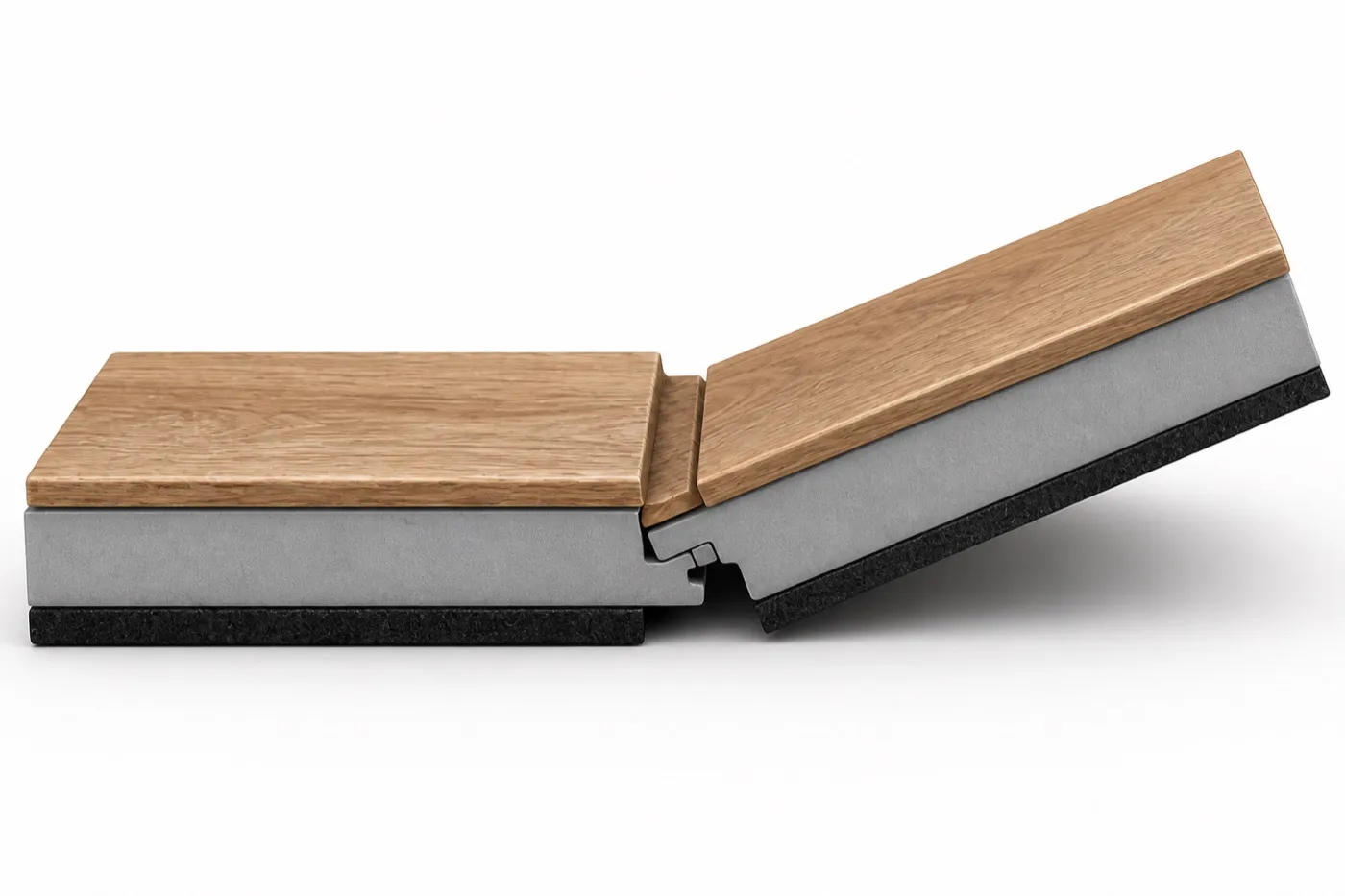
How SPC is built and installs
- Wear layer + décor · UV-protected wood-grain surface that resists scratches and scuffs.
- SPC rigid core · Dense limestone-composite core: waterproof, dimensionally stable, hard-wearing.
- IXPE acoustic underlay · Attached foam layer for cushioning and sound insulation.
Drop-and-lock click system · glueless · about 3× faster to install than glue-down.
Ready to import at container scale?
SPC flooring · frequently asked questions
SPC means Stone Plastic Composite · a rigid vinyl flooring built around a dense limestone-and-stabilizer core, topped with a decor film and a UV-protected wear layer.
Yes. The stone core does not absorb water, so SPC can be installed in kitchens, bathrooms, basements and other moisture-prone areas without swelling or warping.
Three methods are available. Click-lock floating is the most common · no glue, no dust, the planks simply snap together over the subfloor. Glue-down bonds each plank with adhesive for very high-traffic areas, and loose-lay uses a friction or lightly tacked backing for fast, removable installs. Click-lock is fast enough for both professionals and DIY.
Thickness ranges from 3.2 mm to 6.5 mm with a 0.2-0.7 mm wear layer, in widths of 150-225 mm and lengths up to 1532 mm. Custom sizes are available on request.
Yes. We consolidate mixed designs and colours and ship full-container loads from verified factories, with export documentation and quality control managed by OCALWA.
Yes. The stone core is dimensionally stable under heat, so SPC works with water or electric underfloor heating. Keep the surface temperature at or below about 28°C and raise the heat gradually to avoid thermal shock.
Yes. Leave an 8 to 10 mm expansion gap around the perimeter and against fixed objects, hidden later by skirting or trim. Large or long runs should be broken up with transition profiles so the floating floor can move freely.
Quality SPC lasts 15 to 25 years or more with normal care. Life depends on the wear-layer thickness, whether the core is virgin (not recycled) material, foot traffic and maintenance · thicker wear layers carry longer warranties.
SPC has a rigid stone-composite core, so it stays flat, resists dents and handles temperature swings better · it also hides minor subfloor imperfections. Flexible LVP and sheet vinyl are softer and often cheaper, feel warmer underfoot, but need a smoother subfloor and dent more easily.
No. SPC uses no wood or wood glue, so it is formaldehyde-free. Our factory-verified SPC is also phthalate-free and low-VOC, which makes it a healthier choice for homes, schools, clinics and hospitality.
The subfloor should be clean, dry and level · flat to within about 3 mm over a 1.8 m span. SPC tolerates minor imperfections better than glue-down floors, but high spots should be ground down and low spots filled with a levelling compound. On concrete, a moisture barrier is recommended.